I like the moment an idea stops being hypothetical.
That started early. At nine, I set up a lemonade stand and sold bracelets in a Cape Cod neighborhood called Nyes Neck. The first year raised $50 for Make-A-Wish Massachusetts and Rhode Island.
The neighborhood kept showing up. Over nine years it grew into movie nights, raffles, apparel, live music and community events, and together we raised more than $20,000.
At Tufts I learned how to turn that same instinct into software. Today I am an associate software engineer at Fidelity, and outside of work I keep building: storefronts, content platforms, location tools, event systems and security games.
The thread is ownership. I like the whole path — from a rough idea to something real people can actually use.
“Engineer by day. Builder after hours.”
Make-A-Wish · Nyes Neck
$50 raised
A lemonade stand and bracelets in Nyes Neck
9 years
Movie nights, raffles, apparel, live music
$20,000+
Raised for Make-A-Wish Massachusetts and Rhode Island
Ongoing
Nyes Neck Clothing & Apparel supports St. Jude
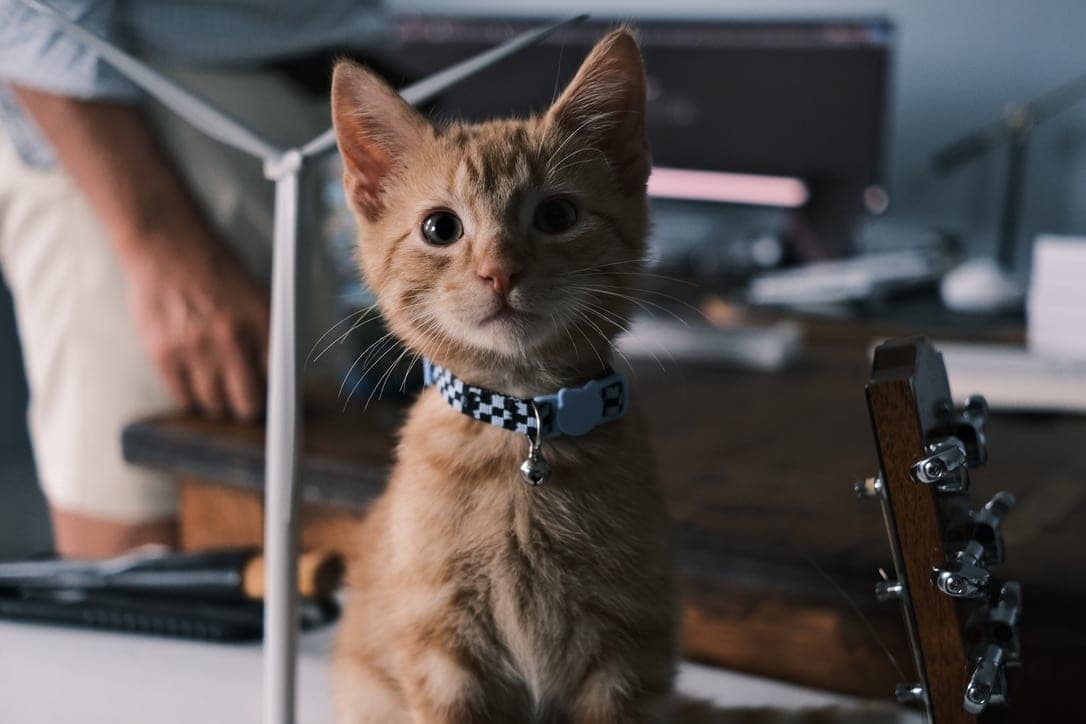
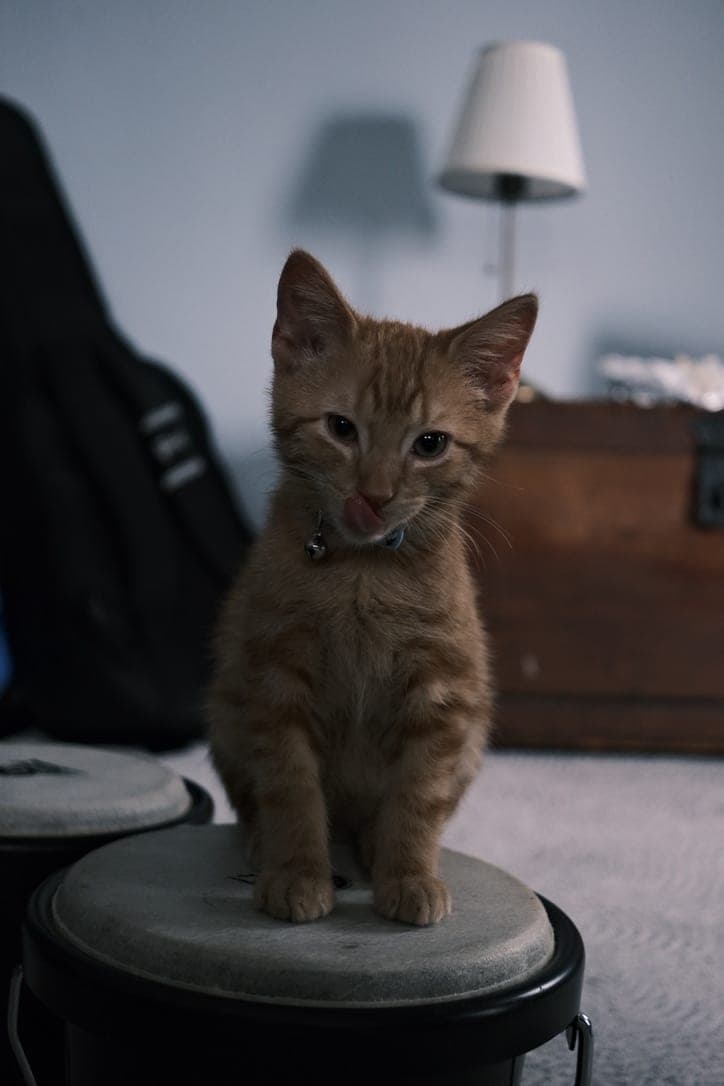
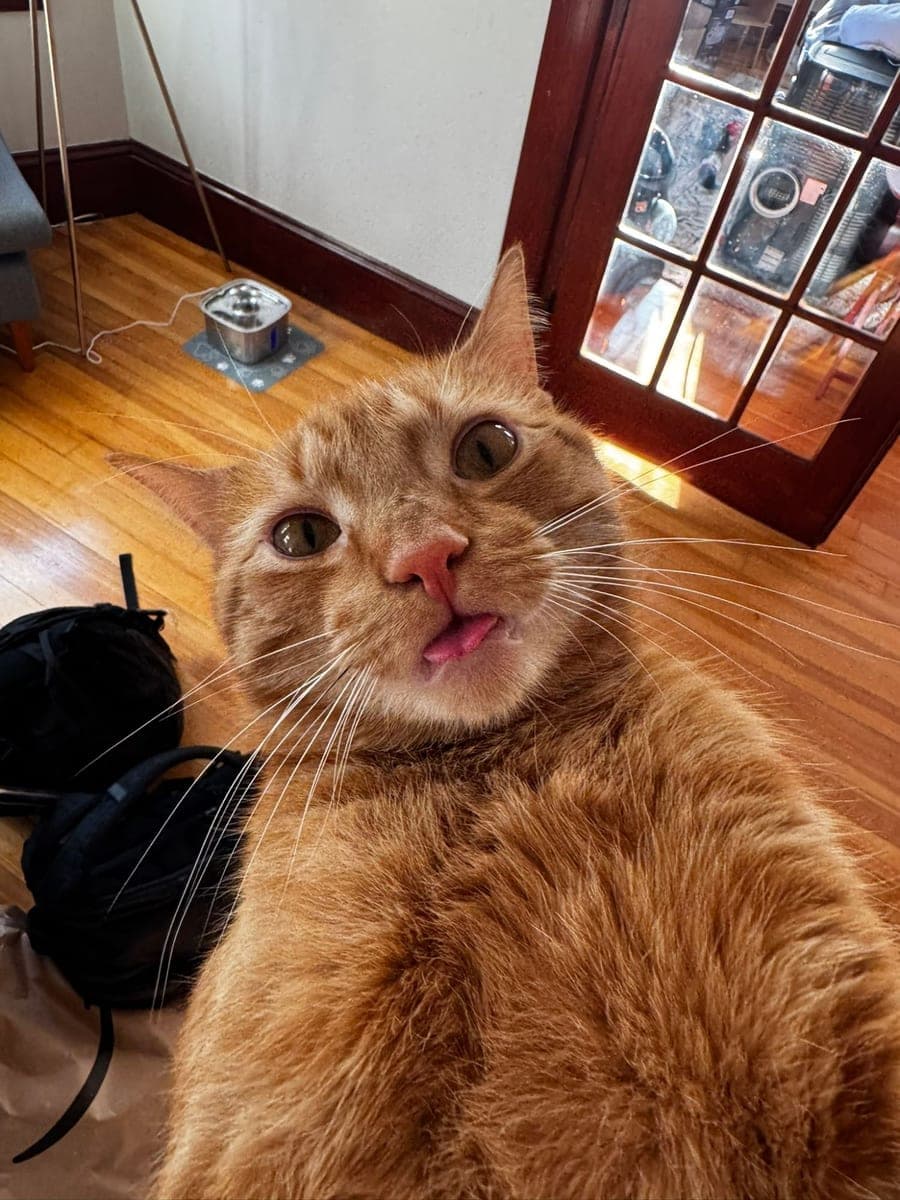
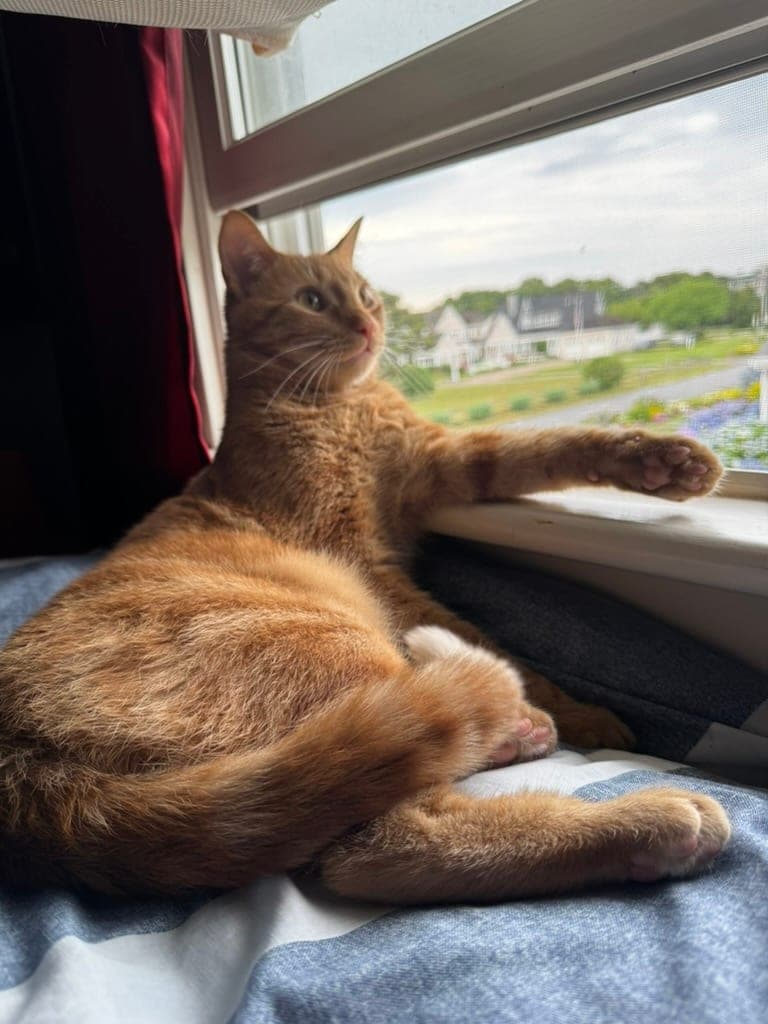
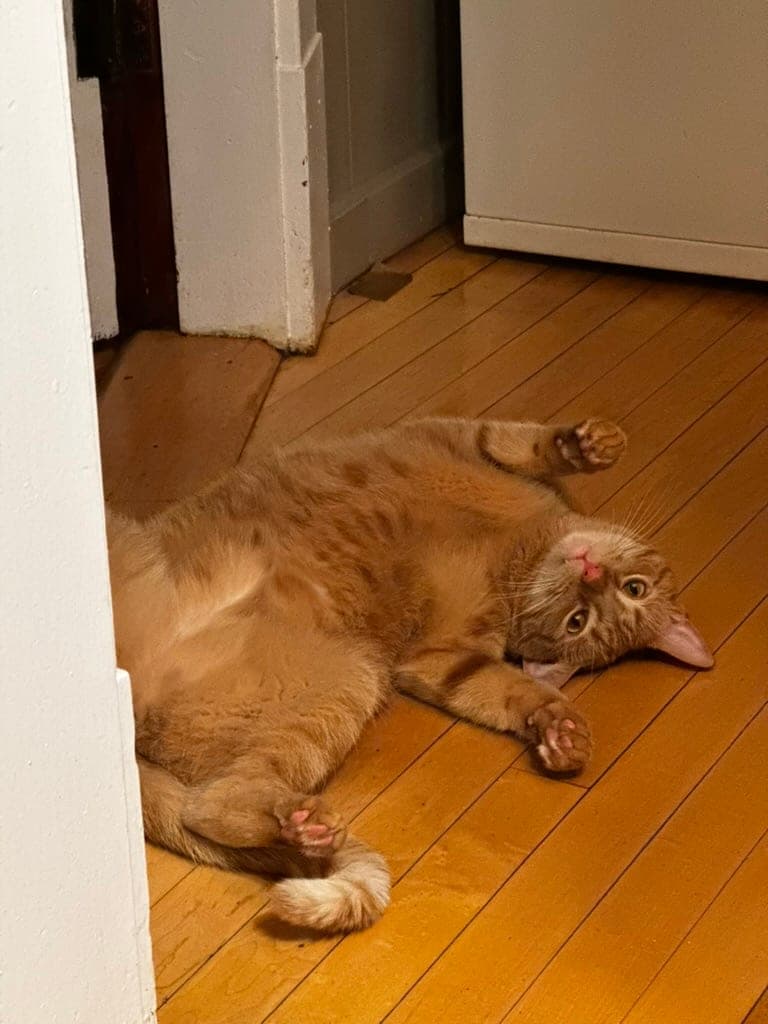
Meet Donny.
Every late-night build ships with a second opinion.

What I reach for, and why.
Scoped to the things I've actually shipped with — the production work above is where each of these earned its place.
Product engineering
The layer people actually touch.
Backend & data
State, identity and the contracts between them.
Content & commerce
Systems a non-developer can run after launch.
Maps & discovery
Putting things where people can find them.
Also working in
Languages outside the front of the stack.
Engineering workflow
How the work gets shipped and kept honest.
Open questions I keep circling back to.
AI-assisted development
How much of the distance between an idea and a working product AI actually removes — and which parts of engineering judgement it does not.
AI and cybersecurity
The new attack surfaces AI creates, how it changes vulnerability discovery, and where it can carry real weight in defensive automation. An active interest, and the direction I am reading and building toward.
Small products, real communities
Focused digital products that make a specific group of people better off — a neighborhood, a taproom, a table of friends — rather than software built for everyone and no one.